

Merry Christmas and Happy Holidays from Lighthouse Adhesives! We hope the new year brings health, peace, and prosperity. We are grateful for your ongoing partnership and support! Our offices will…
Vinyl-based flooring materials (PVC)—including vinyl tile, plank, sheet goods, and vinyl-backed carpet—should never be installed directly over black asphalt-based (cutback) adhesive residues. These older adhesives are chemically incompatible with vinyl…
Chemical cleaners and solvents, ranging from bio-based agents (like citrus, soy, or limonene) to hydrocarbon or chlorinated solvents, are occasionally used to strip old adhesives or coatings from flooring substrates.…

In understanding high-moisture-tolerant adhesives in resilient flooring applications, Lighthouse Adhesives provides our expertise in adhesive performance under various conditions. The increasing popularity of high moisture-tolerant adhesives (HMTAs) in the flooring…
When it comes to resilient flooring, appearance and performance go hand in hand. One of the most common visual issues installers encounter is telegraphing—the visible imprint of imperfections or irregularities…
At Lighthouse Adhesives, we know that an excellent flooring installation starts long before the adhesive is applied. One of the most critical factors is substrate porosity. Understanding how porous your…
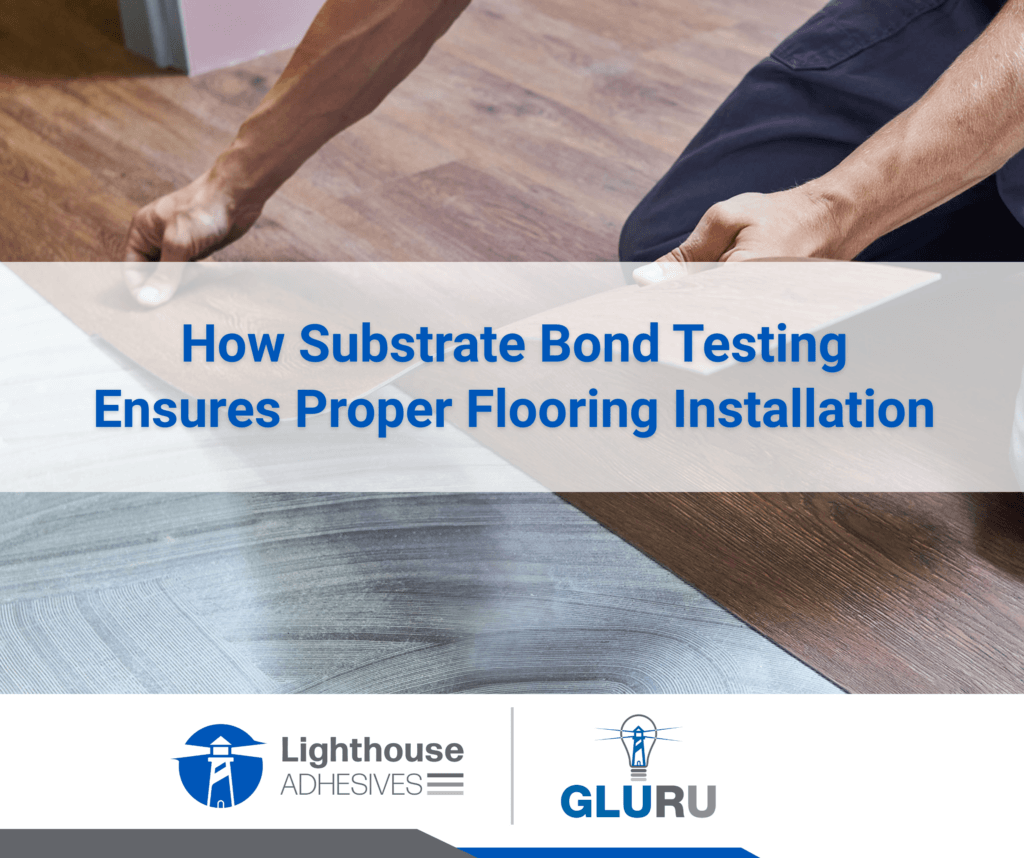
Before installing any flooring system, it is essential to verify that the substrate is clean, properly prepared, and suitable for adhesive bonding. At Lighthouse Adhesives, we highly recommend substrate bond…

Proper handling, storage, and shipping are critical to maintaining the quality and performance of Lighthouse Adhesives products. Temperature extremes—hot or cold—are the leading causes of premature adhesive failure before use.…

Radiant floor heating is an alternative to traditional forced-air systems, delivering heat directly to the floor surface. Flooring installed over radiant heating requires strict temperature management to protect adhesive bonds.…
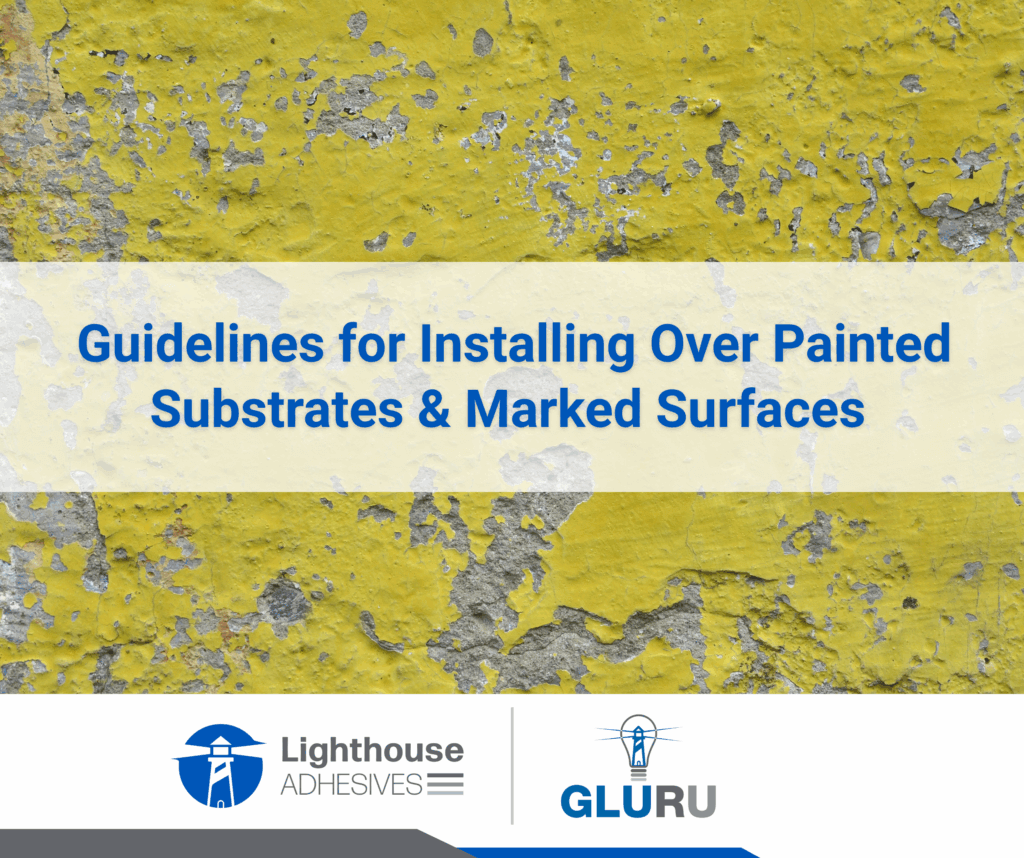
Painted concrete or wood floors—often coated with epoxy, oil-based, or acrylic paints—can present complications during flooring installation. The substrate must be free of old adhesives, paint, sealers, curing agents, grease,…
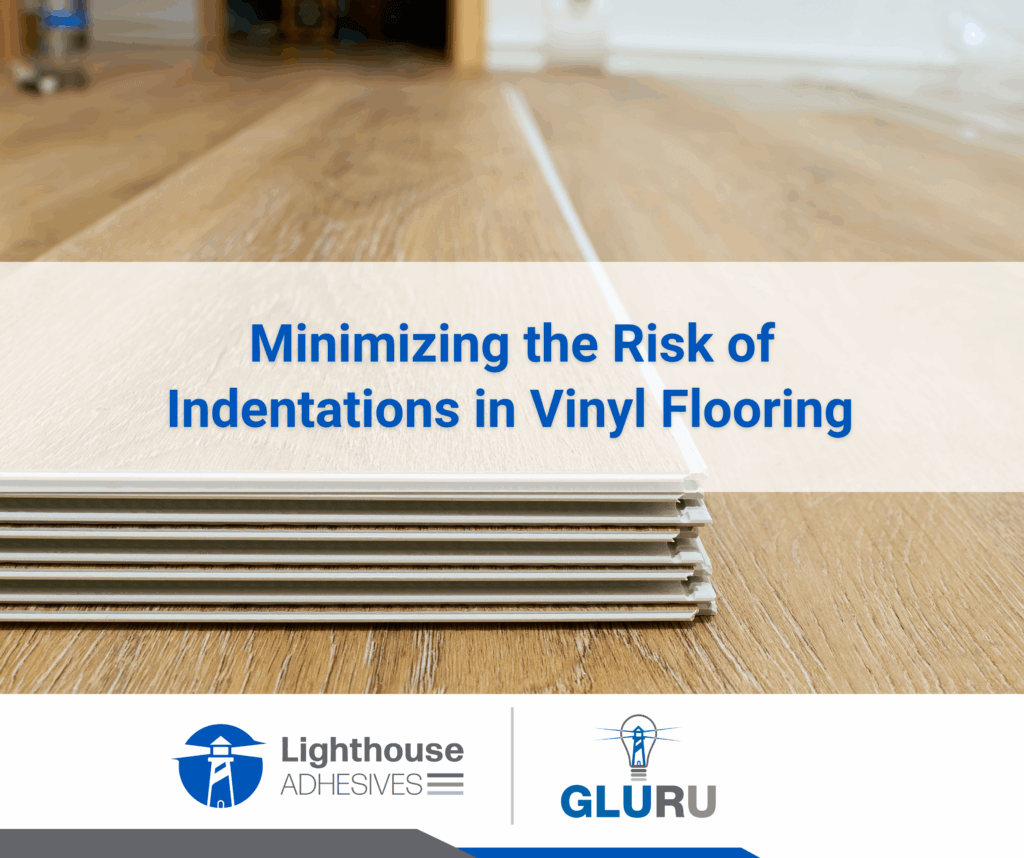
Vinyl flooring indentation is a multifactorial issue tied to the type of vinyl, the correct use and application of adhesives, the substrate conditions and surface prep, and the nature of…
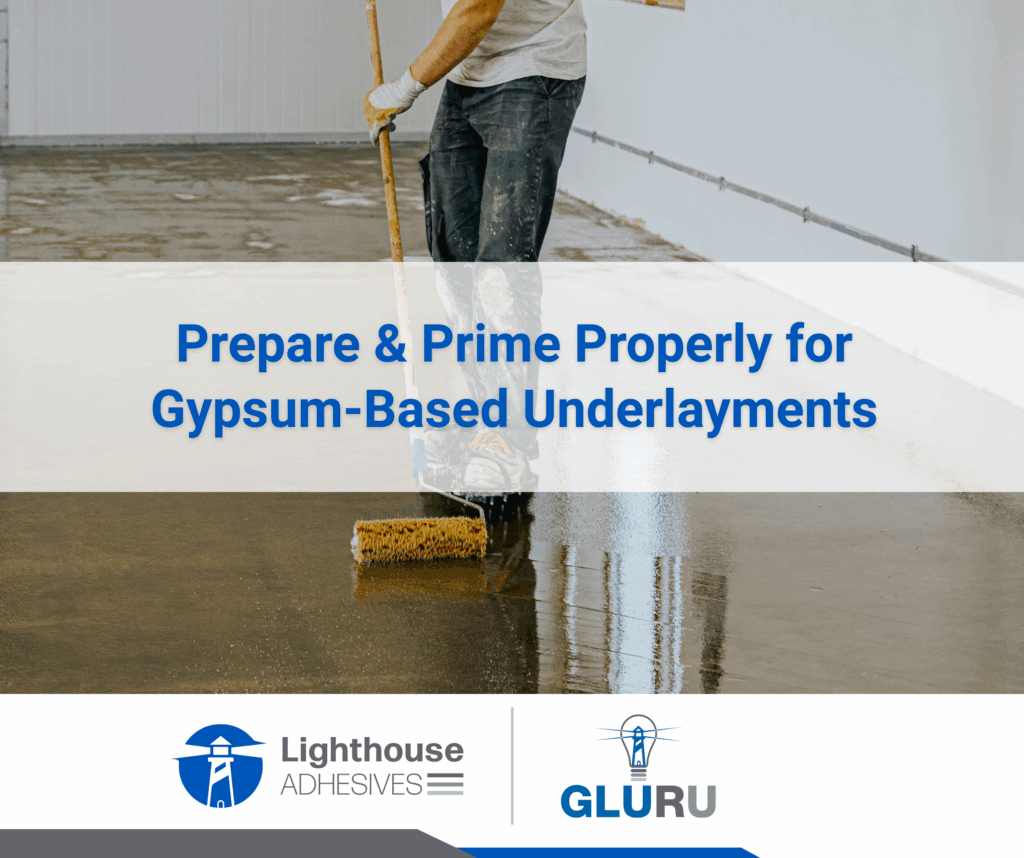
Gypsum-based underlayments require careful preparation to achieve a secure bond. Unprimed or dusty surfaces can weaken adhesion and cause premature failure. Gypsum underlayments with insufficient thickness or compressive/tensile strength may…